
Home Cacti & Succulents Euphorbia susannae


Euphorbia susannae
$7.99
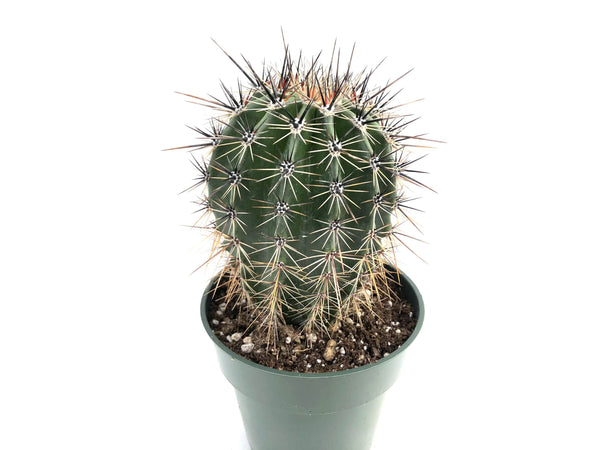
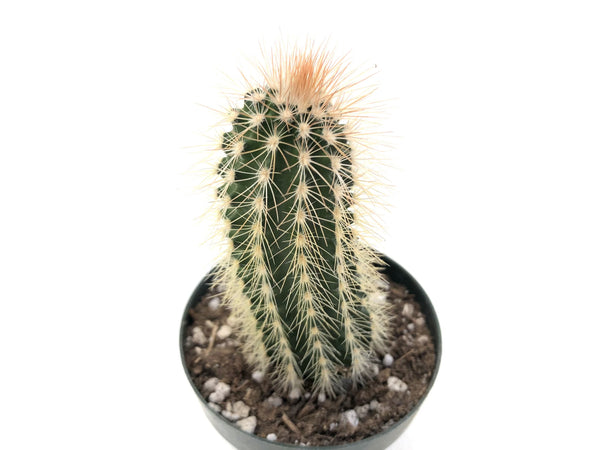
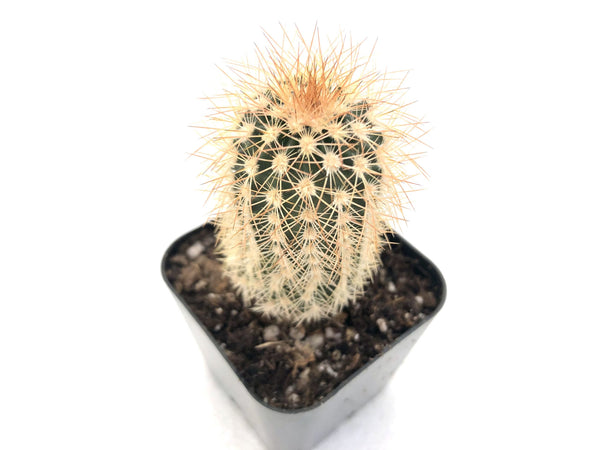
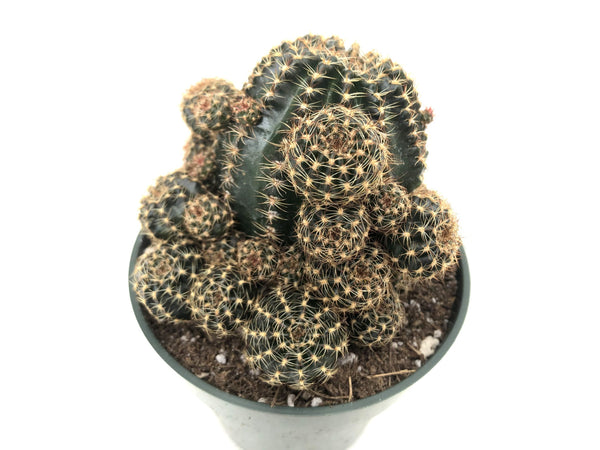
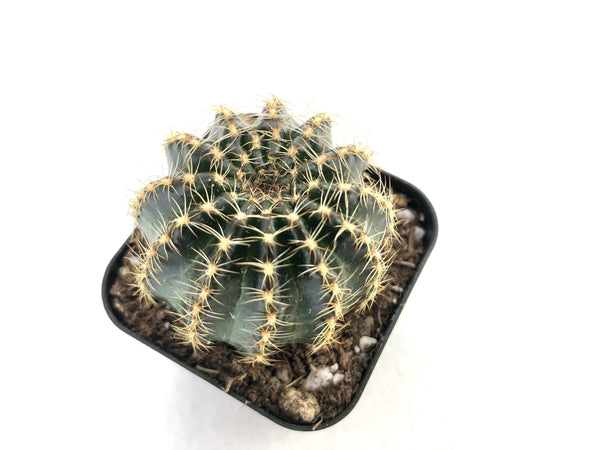
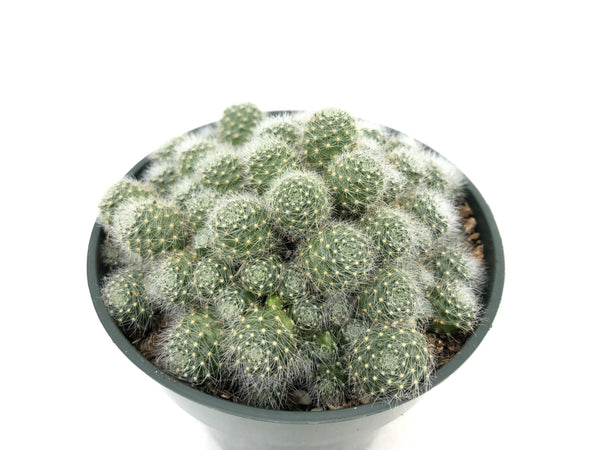
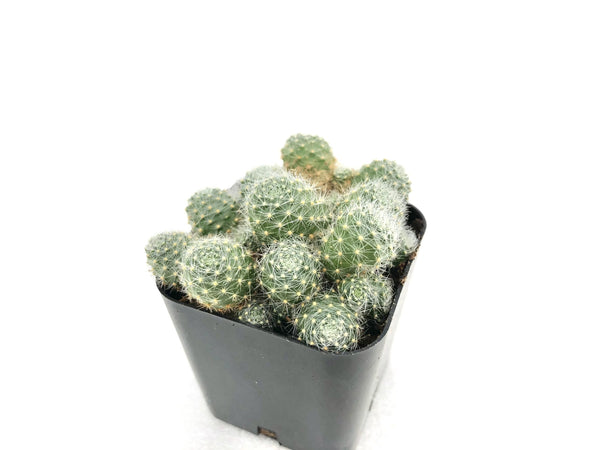
Euphorbia susannae, or Suzanne’s spurge, is a must-have collector’s succulent with exceptional character in a compact size. Its rounded center and clusters of knobby green stems create a bold, geometric texture that instantly stands out in any plant collection. Naturally clumping and slow-growing, it becomes an increasingly impressive specimen without quickly outgrowing its space—perfect for decorative pots, succulent arrangements, desks, and bright windowsills. With strong light, sharp-draining soil, and careful watering, this distinctive South African treasure offers lasting beauty with minimal upkeep. Add one to your collection for an irresistible living sculpture that only gets better with age. Like all euphorbias, it contains irritating milky sap; handle with gloves and keep away from children and pets.
Care Instructions
Light: Provide bright light with several hours of gentle direct sun each day. Morning sun and bright afternoon light encourage compact growth. Acclimate the plant gradually to stronger sun, especially after winter or time indoors, to prevent scorching.
Soil: Use a very fast-draining cactus and succulent mix amended generously with pumice, perlite, coarse sand, or fine gravel. A shallow pot with an unobstructed drainage hole helps prevent excess moisture around the roots.
Water: Water thoroughly, then allow the mix to dry completely before watering again. During warm, active growth, check the soil regularly but water only when it is fully dry. Reduce watering sharply in winter. Do not leave the pot standing in water, and keep moisture away from the plant’s crown.
Temperature: Keep warm and protect from frost, cold drafts, and prolonged cool, wet conditions. If grown outdoors in a container, move it to a bright, sheltered location before freezing weather arrives. Good airflow is helpful, particularly in humid environments.
Fertilizer: Feed sparingly in spring or early summer with a diluted, low-nitrogen cactus fertilizer. One or two light applications during active growth are sufficient. Avoid fertilizing in winter or overfeeding, which can produce weak, stretched growth.
Repotting and maintenance: Repot only when the plant has filled its container or the soil mix has broken down, usually every few years. Choose a pot only slightly larger than the root ball. Remove dead or damaged growth with clean tools, and rotate container plants periodically for balanced development.